Discover fascinating river facts, from powerful flows to hidden ecosystems. Learn why rivers are vital to life and shape landscapes across the planet.
Rivers have shaped landscapes, supported civilisations, and powered ecosystems for thousands of years, and these river facts reveal just how important they really are. From massive waterways that stretch across continents to hidden currents beneath the surface, rivers are far more complex than they appear.
In this guide, you will discover how rivers form, why they are essential to life, and some surprising facts that show just how powerful and fascinating they can be.
Interesting River Facts You Should Know
Fact 1: Rivers flow from high ground to low ground
Rivers are formed when water flows downhill due to gravity, often starting from mountains or hills.
Many rivers begin in elevated regions such as those explored in mountain environments.
Fact 2: The longest river is the Nile
The Nile River is commonly considered the longest river in the world, stretching over 6,600 kilometres.
Fact 3: Rivers shape the land
Over time, rivers carve valleys, canyons, and landscapes through erosion.
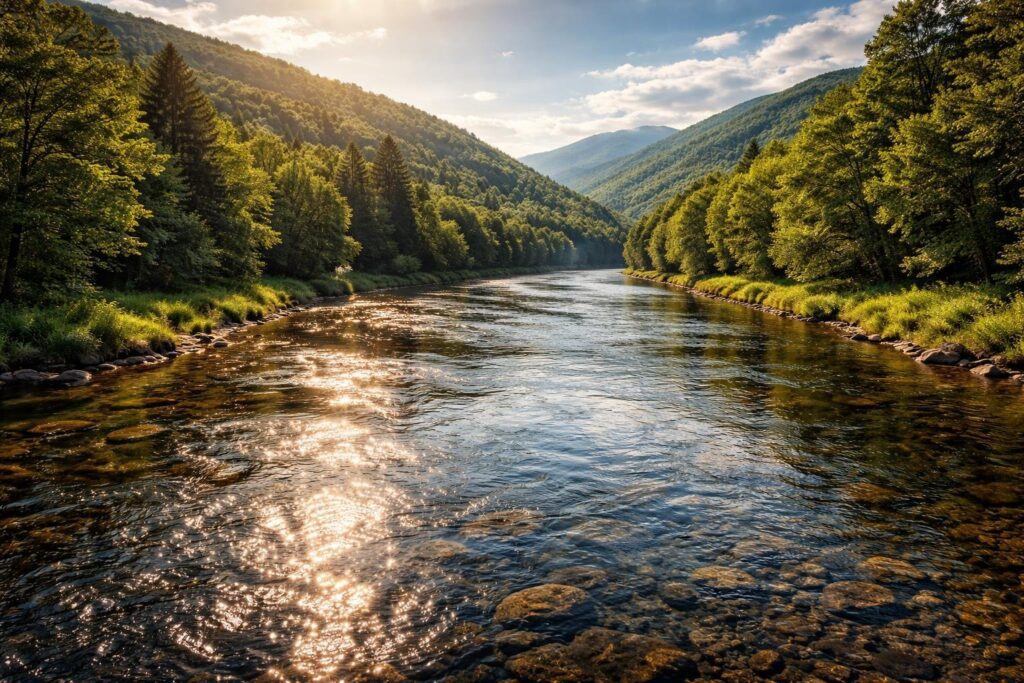
Fact 4: Rivers are part of the water cycle
They transport water from land back to oceans, connecting different parts of the environment.
Fact 5: Some rivers flow underground
Not all rivers are visible, as some flow beneath the Earth’s surface.
And it gets even more fascinating…
Fact 6: Rivers support ecosystems
They provide habitats for plants, fish, and animals.
Fact 7: Rivers can flood
Heavy rainfall can cause rivers to overflow, affecting surrounding areas.
Fact 8: Some rivers change course
Over time, rivers can shift their paths due to erosion and sediment build-up.
Fact 9: Rivers can be extremely powerful
Fast-flowing rivers can move rocks and reshape landscapes.
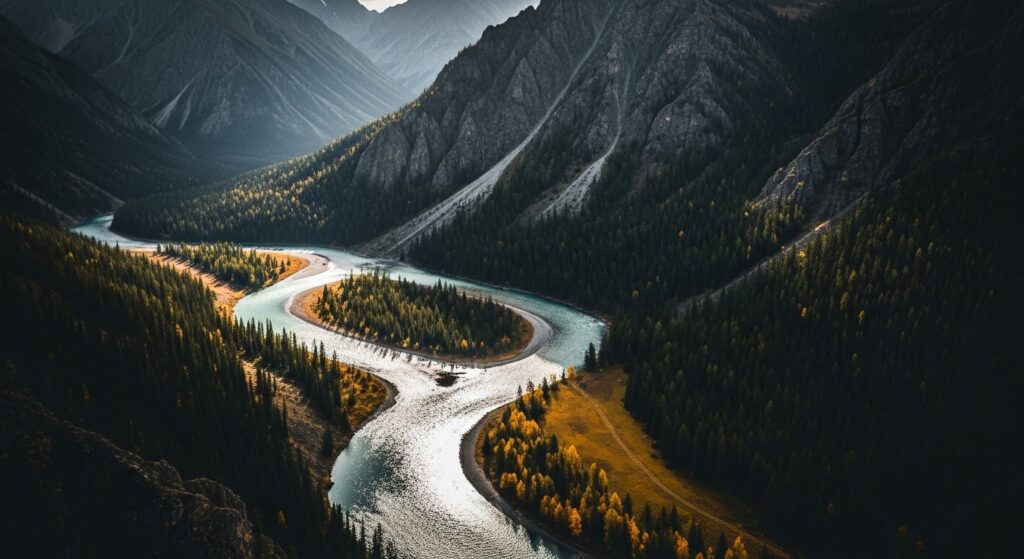
Fact 10: Rivers connect to oceans
Most rivers eventually flow into seas or oceans, linking them to global systems like those described in ocean facts.
And it keeps getting more surprising…
According to research from National Geographic, rivers are essential parts of Earth’s ecosystems and play a key role in shaping landscapes. View Source →
Fact 11: Some rivers freeze
In colder climates, rivers can freeze over during winter.
Fact 12: Rivers can support human life
Many cities and civilisations have developed near rivers due to access to water.
Fact 13: Rivers can carry nutrients
They transport nutrients that support ecosystems downstream.
Fact 14: Some rivers are seasonal
Not all rivers flow year-round, with some drying up during certain seasons.
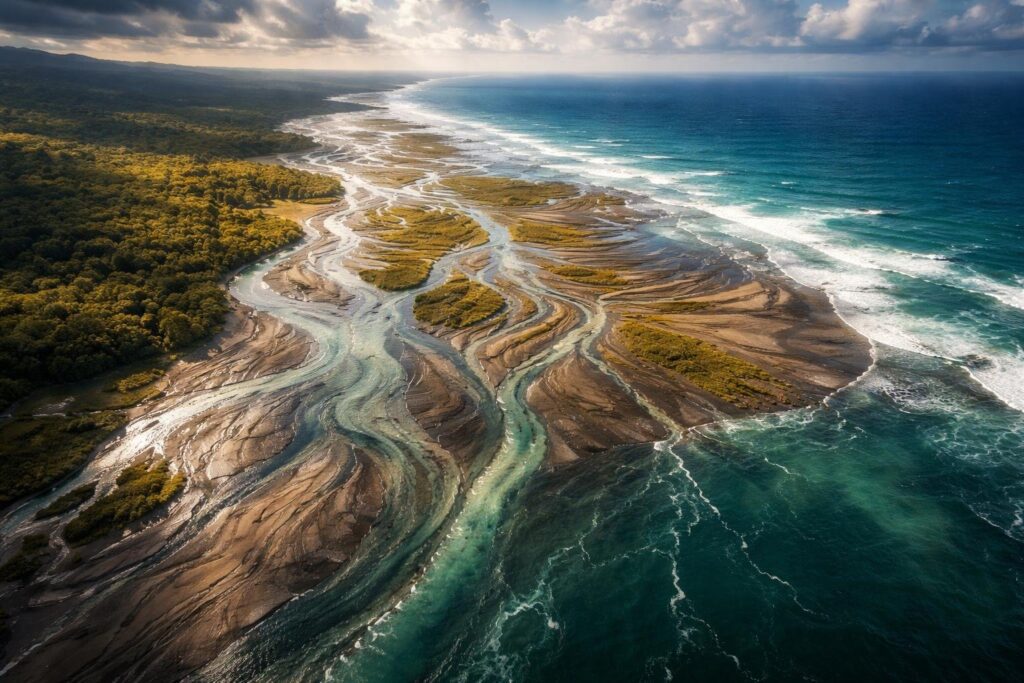
Fact 15: Rivers can create deltas
When rivers reach oceans, they can deposit sediment to form deltas.
And there’s even more…
Fact 16: Rivers influence weather patterns
Large rivers can affect local climate and humidity.
Fact 17: Some rivers are highly polluted
Human activity has impacted many rivers around the world.
Fact 18: Rivers can be navigated
Many rivers are used for transportation and trade.
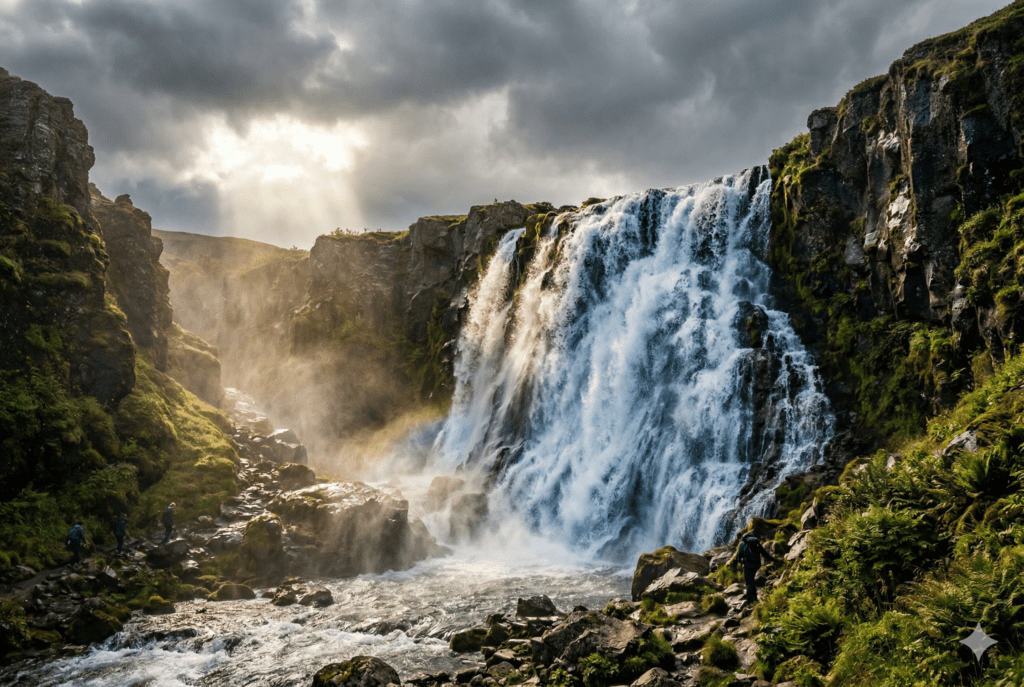
Fact 19: Rivers can create waterfalls
Changes in elevation can lead to waterfalls, similar to formations explored in Victoria Falls facts.
Fact 20: Scientists study rivers to understand ecosystems
Research helps improve conservation and water management.
According to Britannica, rivers transport water and nutrients across regions and support both natural ecosystems and human life. View Source →
Explore More Nature
If you enjoyed this, explore how landscapes are formed in mountain regions or how water connects globally in ocean systems. You can also explore more in our full nature facts hub.
Conclusion
These river facts show how important rivers are to both nature and human life. From shaping landscapes to supporting ecosystems, rivers remain one of the most vital features on Earth.
What are some interesting river facts?
River facts include their role in shaping landscapes, supporting ecosystems, and connecting land to oceans.
What is the longest river in the world?
The Nile River is commonly considered the longest river, stretching over 6,600 kilometres.
Why are rivers important?
Rivers are important because they provide water, support ecosystems, and help regulate environmental systems.
How do rivers form?
Rivers form when water flows downhill from higher ground, often fed by rain, melting snow, or underground sources.